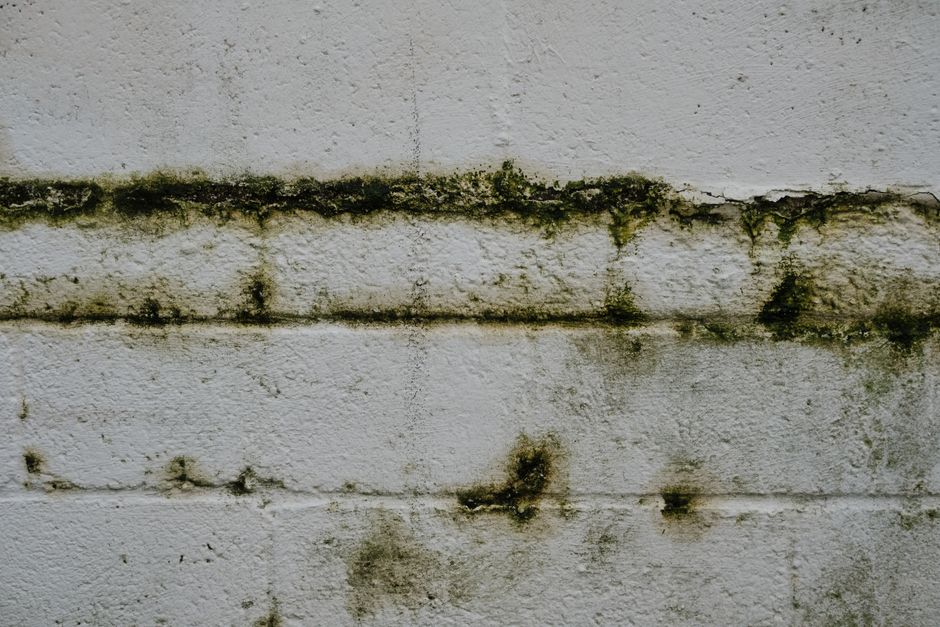
Understanding the causes water damage mold growth Columbus homeowners face is crucial for protecting properties from costly repairs and health risks. In Columbus, OH, fluctuating weather and aging infrastructure often lead to water intrusion issues that promote mold development.
Common sources like leaky pipes, roof damage, and poor drainage create persistent moisture problems. Without prompt attention, this moisture fosters mold colonies that can compromise indoor air quality and structural integrity. Homeowners should recognize how these water damage triggers contribute to mold growth to take proactive steps.
Professional contractors in Columbus typically address these challenges by identifying the root causes and recommending targeted solutions. Being informed about water damage causes helps residents mitigate risks and maintain a safe, healthy living environment.
Quick Takeaways
- Leaking pipes and plumbing failures are frequent sources of water damage that promote mold growth in Columbus homes.
- Roof leaks caused by aging materials or severe weather often lead to water intrusion and subsequent mold development.
- Poor drainage and soil conditions in Columbus can result in foundation water issues, increasing the risk of mold contamination.
- High indoor humidity levels, common in Ohio’s climate, create an environment conducive to mold spores thriving.
- Flooding events from heavy rains or plumbing backups frequently cause extensive water damage and accelerated mold proliferation.
Leaking Pipes and Plumbing Failures as Primary Causes of Water Damage in Columbus Homes
In Columbus, aging plumbing systems and deteriorating pipes are frequent contributors to water damage within residential properties. Over time, materials such as galvanized steel or copper can corrode, leading to small leaks that often go unnoticed.
These leaks promote persistent water intrusion, creating ideal conditions for mold growth behind walls, under flooring, and in ceilings.
Professional companies in Columbus typically observe that pipe bursts or joint failures result in significant water accumulation, which exacerbates the risk of widespread mold development. Homeowners should expect that even slow leaks from plumbing fixtures like toilets, sinks, or water heaters can cause substantial water damage if left unaddressed.
Common Plumbing Issues Leading to Water Damage in Columbus Homes
- Corroded Pipes: Older metal pipes corrode due to mineral buildup and water chemistry in Columbus, increasing leak risks.
- Faulty Pipe Joints: Improper sealing or shifting during freeze-thaw cycles can cause joint failures and leaks.
- Water Heater Malfunctions: Pressure buildup or rust inside water heaters may lead to leaks affecting surrounding areas.
- Clogged Drains: Blockages cause backups and overflow, resulting in water intrusion in lower levels.
Homeowners looking for solutions should anticipate engaging with local plumbing specialists who understand the unique challenges posed by Columbus’s climate and infrastructure. Addressing these common plumbing failures promptly is essential to prevent extensive water damage and the subsequent risk of harmful mold growth.
Impact of Columbus’s Seasonal Rainfall and Storms on Water Intrusion and Mold Development
Columbus experiences significant seasonal rainfall and frequent storms, both of which can substantially increase the risk of water intrusion in residential properties. These weather patterns often overwhelm roofing systems, leading to roof leaks that allow moisture to penetrate attics and ceilings.
Persistent leaks create ideal conditions for mold development, as damp environments promote spore growth and colonization.
Additionally, heavy rains and storms contribute to basement flooding, a common issue in Columbus homes due to the city's soil composition and drainage challenges. Flooded basements not only cause immediate water damage but also foster prolonged moisture retention, further encouraging mold growth.
Standing water combined with poor ventilation exacerbates the problem, potentially leading to extensive mold infestations that affect indoor air quality and structural integrity.
Homeowners in Columbus should be aware of these weather-related risks and consider the following factors that influence water intrusion and mold issues during seasonal rainfall and storms:
- Roof age and condition: Older or damaged roofs are more susceptible to leaks under heavy rain.
- Gutter and downspout maintenance: Clogged or improperly directed gutters can cause water to pool near the foundation.
- Land grading: Poorly sloped yards may direct stormwater toward the basement.
- Window and door seals: Compromised seals can allow rainwater penetration during storms.
Common Mistake to Avoid
Many Columbus homeowners underestimate the impact of poor drainage around their properties, which can cause water intrusion and subsequently promote mold growth. Neglecting to maintain gutters and downspouts often leads to water damage that compromises structural integrity and degrades indoor air quality.
Addressing these issues early with professional assessment helps prevent costly repairs and persistent mold development.
Poor Home Ventilation and High Humidity Levels Facilitating Mold Growth in Columbus Houses
In Columbus, inadequate home ventilation combined with elevated humidity levels often creates an environment conducive to mold growth. Poor airflow inside homes traps moisture, which can saturate walls, ceilings, and other surfaces.
This persistent dampness promotes mold development that compromises indoor air quality and threatens the structural integrity of affected areas.
Columbus homeowners should be aware that typical humidity levels above 60% significantly increase the risk of mold proliferation. Without effective ventilation systems or regular air exchange, moisture from everyday activities like cooking, showering, and laundry accumulates.
This moisture buildup often goes unnoticed until visible water damage or mold colonies appear, necessitating costly remediation efforts.
Common factors contributing to poor ventilation and high humidity in Columbus homes include:
- Insufficient exhaust fans in kitchens and bathrooms that fail to expel moist air
- Lack of whole-house ventilation, limiting fresh air circulation and trapping stale, humid air indoors
- Sealed or poorly designed windows and doors that reduce natural airflow
- Inadequate use of dehumidifiers, especially in basements and crawl spaces prone to dampness
Professional companies in Columbus typically recommend regular assessment of ventilation effectiveness and humidity monitoring to prevent water intrusion from moisture buildup. Homeowners looking to minimize mold risks should consider upgrading ventilation systems and maintaining indoor humidity between 30% and 50%.
These measures help preserve air quality, protect building materials, and reduce the likelihood of mold growth associated with stagnant, humid indoor environments.
Foundation Cracks and Structural Issues Leading to Water Seepage and Mold in Columbus Basements
Foundation cracks and other structural issues are common concerns for Columbus homeowners, especially in older properties. These defects often create pathways for water seepage into basements, which can result in persistent basement water damage.
When moisture enters through compromised foundations, it increases the risk of mold growth by providing an ideal environment for spores to thrive.
Columbus's soil composition and seasonal moisture fluctuations can exacerbate these problems, placing additional stress on foundations. Cracks may develop due to soil shifting, hydrostatic pressure, or inadequate initial construction.
Once water penetrates these openings, it can weaken the structural integrity of the basement walls and floors, promoting further deterioration and increasing the likelihood of costly repairs.
Common Signs of Foundation-Related Water Issues in Columbus Basements
- Visible cracks in foundation walls or floors, often wider than a hairline
- Dampness or pooling water on basement surfaces after rainfall or snowmelt
- Mold colonies appearing along basement walls or corners where moisture accumulates
- Musty odors indicating prolonged moisture presence and potential mold development
- Warped or bowing walls suggesting ongoing structural stress and water intrusion
Professional companies in Columbus typically recommend addressing foundation cracks promptly to prevent water intrusion and subsequent mold growth.
Homeowners looking for solutions should expect a thorough assessment of foundation conditions, followed by appropriate repair methods such as crack sealing, waterproofing, or structural reinforcement to safeguard indoor air quality and preserve the home’s value.
Common Causes of Water Damage Leading to Mold Growth in Columbus Homes: Cost and Timeline Overview
| Service Type | Cost Range | Typical Timeline |
|---|---|---|
| Leaking Pipe Repairs | $150 to $1,200 | 1 to 3 days |
| Stormwater Drainage Correction | $500 to $4,000 | 2 to 5 days |
| Basement Waterproofing | $3,000 to $10,000 | 3 to 7 days |
| HVAC System Cleaning and Repair | $200 to $1,500 | 1 to 2 days |
| Foundation Crack Sealing | $500 to $3,500 | 1 to 4 days |
Frequently Asked Questions
What are the most common sources of water damage in Columbus homes?
Common sources of water damage in Columbus homes include leaking pipes, foundation cracks, and poor drainage. These issues often lead to water intrusion that promotes mold growth and compromises structural integrity.
How does poor drainage contribute to mold development?
Poor drainage around a home allows water to accumulate near the foundation, increasing the risk of water intrusion. This persistent moisture creates ideal conditions for mold colonies to form, which can degrade indoor air quality and cause costly repairs.
Can small leaks cause significant mold problems?
Yes, even small leaks can cause significant water damage over time. Persistent moisture from slow leaks promotes mold growth, which often goes unnoticed until it affects air quality and structural integrity. Early detection is key to minimizing damage.
How does seasonal rainfall impact water damage risks in Columbus?
Seasonal rainfall in Columbus increases the likelihood of water intrusion, especially in homes with existing vulnerabilities like foundation cracks. The added moisture accelerates mold development, making proper water management essential to protect the home.
What role does home ventilation play in preventing mold growth?
Poor ventilation traps moisture indoors, raising humidity levels that promote mold colonies. Effective airflow reduces dampness, improving indoor air quality and lowering the risk of mold-related damage in residential settings.
Understanding the common causes of water damage in Columbus homes is essential for preventing mold growth and preserving indoor air quality. Factors like poor drainage, foundation cracks, and high humidity levels can lead to water intrusion, promoting the development of mold colonies that threaten both structural integrity and health.
Columbus homeowners should remain vigilant about these risks to avoid costly repairs and maintain a safe living environment.
For those concerned about water damage and mold, contacting local Columbus water damage and mold remediation experts can provide tailored solutions. Get matched with vetted Mold Remediation in Columbus, OH via our -matching form to connect with qualified professionals ready to assist.