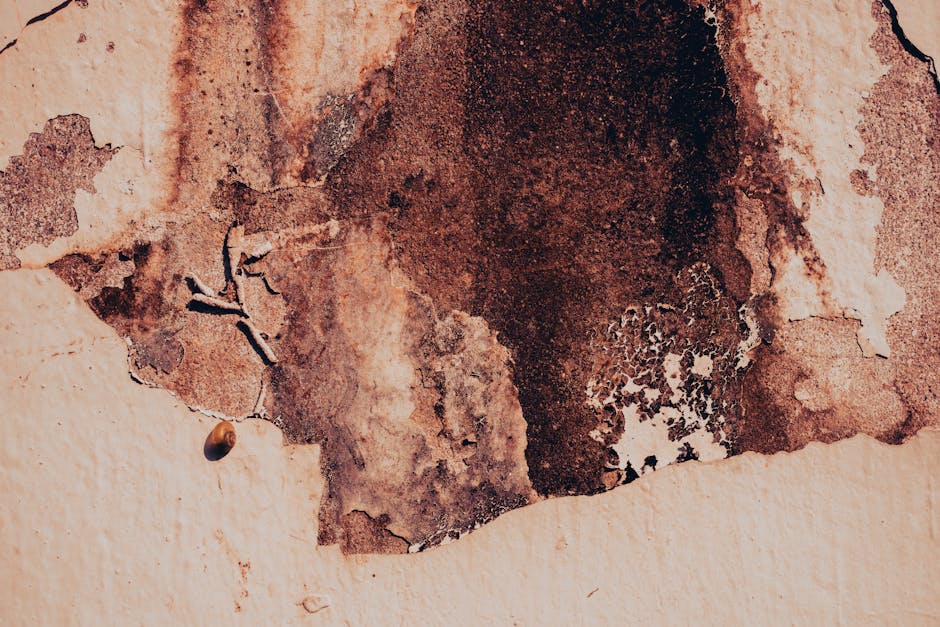
To prevent mold growth in Columbus basements, homeowners must address common issues like humidity levels, water intrusion, and poor ventilation. Columbus basements are especially vulnerable due to the region’s humid climate and frequent rainfall, which can lead to excess moisture buildup.
Without proper waterproofing methods and moisture control, basements risk developing mold infestations that cause health problems and structural damage. Homeowners looking to prevent mold growth should focus on effective drainage solutions, dehumidifiers, and routine inspection for signs of water leaks.
Local contractors in Columbus typically recommend a combination of foundation repairs and ventilation improvements to keep basements dry and safe. Understanding these factors is essential for anyone aiming to maintain a healthy, mold-free basement environment.
Why It Matters in Columbus, OH
Columbus basements face unique challenges due to the region's humid climate and frequent rainfall patterns. Excess moisture accumulation creates ideal conditions for mold growth, which can damage building materials and impact indoor air quality.
Homeowners in Columbus, OH, must prioritize effective moisture control methods to protect their basements from water damage and costly remediation.
Professional contractors in the area often emphasize the importance of addressing foundation drainage and ventilation issues promptly. Understanding these local factors is essential for maintaining a safe, healthy basement environment free from mold infestations.
Identifying Common Causes of Mold Growth in Columbus Basements
In Columbus basements, several environmental and structural factors contribute to the prevalence of mold growth. The region's humid climate combined with frequent rainfall creates ideal conditions for excess moisture accumulation. High humidity levels within basements often result from inadequate ventilation, trapping moisture and fostering an environment conducive to mold infestations.
Water leaks represent another primary cause of mold development in Columbus basements. These leaks commonly originate from foundation cracks, faulty plumbing, or poorly sealed windows and doors. Persistent water intrusion saturates building materials such as wood, drywall, and insulation, which serve as nutrient sources for mold spores.
Key Factors Contributing to Mold in Columbus Basements
- High indoor humidity: Relative humidity above 60% encourages mold proliferation.
- Water leaks and seepage: Leaks from pipes, walls, or floors introduce continuous moisture.
- Poor ventilation: Insufficient airflow prevents moisture dissipation.
- Foundation cracks: Structural vulnerabilities allow groundwater infiltration.
- Condensation buildup: Temperature differentials cause moisture accumulation on cold surfaces.
Understanding these critical factors is essential for homeowners seeking to mitigate mold risks. Professional assessments in Columbus basements often focus on identifying sources of excess moisture and addressing the underlying causes to maintain a dry, mold-resistant basement environment.
Effective Moisture Control Techniques to Prevent Mold in Columbus Basements
Effective moisture control is essential for managing humidity levels and minimizing water intrusion in Columbus basements. Professional companies often recommend installing dehumidifiers designed to maintain indoor humidity below 60%, which significantly reduces the risk of mold infestations.
These devices help regulate moisture accumulation by extracting excess water vapor from the basement air, creating an environment less conducive to mold growth.
Ventilation plays a crucial role in controlling dampness within basements. Local contractors typically suggest improving airflow through mechanical ventilation systems or exhaust fans to disperse humid air and introduce drier outside air. Proper ventilation reduces stagnant air pockets where moisture can condense, thereby lowering humidity levels and discouraging mold development.
Additional Moisture Control Strategies for Columbus Basements
- Waterproofing solutions such as interior sealants or exterior drainage systems help prevent water intrusion caused by heavy rainfall or soil saturation common in the region.
- Grading landscaping away from foundation walls directs surface water away from the basement, reducing hydrostatic pressure and seepage risks.
- Installing sump pumps assists in removing accumulated groundwater and prevents flooding scenarios that contribute to excessive moisture.
- Using vapor barriers on floors and walls inhibits moisture migration from soil into basement interiors.
Homeowners looking for comprehensive moisture control should expect these integrated approaches to be tailored according to specific basement environment conditions and local climate factors.
Get matched with vetted contractors via our to explore customized solutions that effectively address moisture accumulation and protect against persistent mold challenges in Columbus basements.
Routine Maintenance and Inspection Tips to Keep Columbus Basements Mold- and maintenance are critical components for mold prevention in Columbus basements. Homeowners should schedule thorough checks at least twice a year, focusing on areas prone to moisture accumulation such as walls, floors, and around plumbing fixtures.
Early detection of damp spots or water leaks can significantly reduce the risk of mold infestations.
Attention to ventilation systems during routine upkeep is essential since inadequate airflow exacerbates humidity levels. Maintaining clean and functional vents, fans, and dehumidifiers helps sustain a dry basement environment.
Additionally, sealing cracks in foundation walls or floors prevents water intrusion, a common source of excess moisture in this region’s humid climate.
Key Maintenance and Inspection Practices for Columbus Basements
- Examine plumbing and appliances for leaks or condensation that contribute to dampness.
- Inspect basement walls and floors for cracks, efflorescence, or discoloration indicating moisture presence.
- Check sump pumps and drainage systems regularly to ensure proper operation and prevent flooding.
- Maintain HVAC filters and ventilation components to improve air circulation and reduce stagnant air pockets.
- Use moisture meters or hygrometers to monitor humidity levels, aiming to keep them below 60%.
Homeowners looking to sustain a mold-free basement environment in Columbus should incorporate these routine maintenance and inspection steps into their annual home care regimen. Doing so helps mitigate the persistent challenges posed by the area’s frequent rainfall and humid conditions.
Frequently Asked Questions
What are the best ways to control humidity levels in basements?
Professional companies recommend using dehumidifiers and improving ventilation systems to maintain ideal humidity levels below 60%. Sealing cracks and ensuring proper drainage also reduce moisture accumulation, creating a less hospitable environment for mold growth.
How can homeowners detect early signs of mold infestations?
Homeowners looking for early detection should watch for musty odors, visible discoloration on walls or floors, and increased allergic reactions. Regular inspections focusing on basement environment changes can help identify moisture accumulation before it leads to extensive mold infestations.
Are there specific building materials that help prevent mold in basements?
Using mold-resistant drywall, waterproof paints, and vapor barriers can significantly reduce the risk of mold growth. Professional contractors often recommend these materials in basements prone to water intrusion and high humidity levels, especially in regions like Columbus with a humid climate.
How often should basements be inspected for mold risks?
Routine inspections every six months are advised to monitor moisture control effectiveness and detect any early signs of mold infestations. Homeowners should pay close attention to areas near walls, floors, and plumbing fixtures where water leaks may occur, increasing the chance of mold growth.
What role does proper drainage play in mold prevention?
Effective drainage systems divert water away from the foundation, reducing water intrusion and subsequent excess moisture. Local contractors emphasize that maintaining gutters, grading soil properly, and installing exterior drains are essential steps for managing the basement environment and lowering the risk of mold infestations.
Maintaining a dry and well-ventilated basement environment is crucial for minimizing the risk of mold infestations in Columbus basements. Addressing moisture accumulation, managing humidity levels, and promptly repairing water leaks significantly reduce the likelihood of mold growth and its associated health risks.
Homeowners looking to safeguard their properties should consider consulting with local professionals who specialize in mold prevention and remediation. Get matched with vetted Mold Remediation in Columbus, OH via our -matching form to explore tailored solutions for your basement’s unique needs.