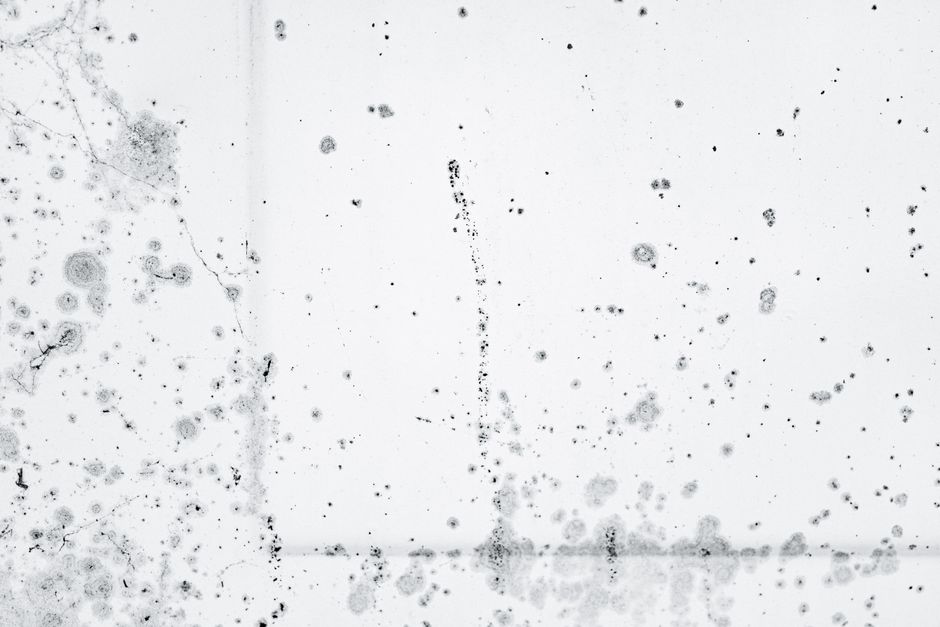
The black mold removal process Columbus homeowners face can be overwhelming due to the serious health risks and extensive property damage associated with mold growth. Black mold spores thrive in damp environments common in Columbus's humid climate, leading to structural issues and potential respiratory problems.
Understanding the step-by-step removal is crucial for restoring a safe living space. Professional contractors in Columbus typically begin with a thorough inspection to identify mold colonies, followed by containment strategies to prevent spore spread. The process involves specialized cleaning agents, removal techniques, and moisture control to ensure complete eradication.
Homeowners looking for reliable black mold removal process Columbus services should expect detailed assessments and methodical remediation tailored to their specific home conditions and mold severity.
Why It Matters in Columbus
Black mold removal in Columbus is critical due to the region’s humid climate and older housing stock, which create ideal conditions for mold growth. Homes here often experience water damage from seasonal rains and plumbing issues, increasing the risk of hidden black mold colonies.
Effective mold removal safeguards residents from health hazards such as respiratory problems and allergic reactions. Understanding the step-by-step removal process ensures that Columbus homeowners can address infestations thoroughly, preventing costly structural damage and maintaining indoor air quality.
Identifying Black Mold in Columbus Homes: Signs and Health Risks
Recognizing black mold infestations in Columbus homes is critical due to the city's humid climate, which fosters ideal conditions for mold growth. Homeowners may notice visible black or dark green patches on walls, ceilings, or around plumbing fixtures.
These mold colonies often produce a musty odor, signaling potential hidden contamination behind drywall or under flooring.
Health risks associated with black mold exposure include respiratory problems, allergic reactions, and aggravation of asthma symptoms. Prolonged contact can lead to more severe issues such as chronic sinus infections and neurological effects. Vulnerable populations, including children, elderly individuals, and those with weakened immune systems, face increased susceptibility.
Common Signs of Black Mold Infestation in Columbus Homes
- Discoloration: Black or greenish-black spots on surfaces exposed to moisture.
- Musty Smell: Persistent damp odor indicating hidden mold growth.
- Water Damage: Stains or warping on walls and ceilings suggesting prolonged moisture exposure.
- Health Symptoms: Unexplained coughing, sneezing, or respiratory irritation experienced by occupants.
Professional companies in Columbus usually emphasize early identification to mitigate these health risks. Homeowners looking for reliable assessments should expect thorough inspections that locate both visible and concealed black mold. Understanding these signs enables timely action and reduces potential harm from mold exposure.
Step 1: Initial Assessment and Containment Procedures for Black Mold Removal in Columbus
Initial assessment is a critical first step when addressing black mold infestations in Columbus homes. Professional contractors typically begin by conducting a thorough inspection to determine the extent of mold growth and identify the source of moisture fueling the problem.
This evaluation often involves visual checks, moisture measurements, and sometimes air quality testing to detect hidden mold colonies behind walls or under flooring.
Mold containment is essential to prevent spores from spreading throughout the residence during the remediation process. In Columbus, companies usually establish containment zones using plastic sheeting and negative air pressure machines.
This controlled environment isolates the affected area, reducing the risk of cross-contamination and limiting further water damage or mold growth.
Homeowners looking for reliable services should expect contractors to follow strict protocols during this phase, including sealing off HVAC vents and doorways. These measures help maintain indoor air quality and protect unaffected areas of the home.
The combination of a detailed assessment and robust containment procedures sets the foundation for effective and safe black mold remediation in Columbus residences.
Common Mistake to Avoid
A frequent error Columbus homeowners make during black mold removal is attempting to clean extensive mold colonies without proper containment, risking spreading spores throughout the home. This can worsen air quality and increase health risks.
Professional contractors typically use specialized containment methods to isolate affected areas and prevent cross-contamination, ensuring a safer and more effective remediation.
Step 2: Safe Mold Removal Techniques and Equipment Used in Columbus Residences
Professional mold removal contractors in Columbus, OH employ specialized remediation equipment and safe techniques to effectively eradicate black mold from affected areas. Due to the hazardous nature of black mold spores, the use of appropriate personal protective equipment (PPE) is mandatory to safeguard workers and occupants during the remediation process.
Typical PPE used includes respirators with HEPA filters, disposable coveralls, gloves, and eye protection. This gear minimizes exposure to airborne mold spores, which can exacerbate respiratory problems common in the humid climate of Columbus.
The selection of PPE is based on the severity of the infestation and the specific conditions within the residence.
Common Mold Removal Methods and Equipment
- HEPA Vacuums: These high-efficiency vacuums capture microscopic mold spores from surfaces and air, reducing airborne contamination during cleanup.
- Negative Air Machines: Employed to create negative pressure zones that prevent mold spores from spreading beyond the containment area.
- Surface Cleaning Tools: Wire brushes, scrapers, and sponges are used alongside EPA-registered fungicides to remove visible mold colonies from non-porous surfaces.
- Air Scrubbers: Devices that filter and purify indoor air, enhancing air quality throughout the remediation phase.
In Columbus residences, contractors often combine these tools with meticulous manual removal and chemical treatments to ensure thorough eradication. Proper disposal of contaminated materials is also critical to prevent cross-contamination.
Homeowners looking for reliable mold removal solutions should expect contractors to adhere strictly to these safety protocols and equipment standards to effectively combat black mold while protecting indoor environments.
Step 3: Cleaning, Disinfection, and Prevention Measures Post-Black Mold Removal in Columbus
After successful black mold removal in Columbus homes, professional contractors focus on thorough cleaning and disinfection to eliminate residual mold spores and prevent regrowth. This phase involves scrubbing affected surfaces with specialized antimicrobial solutions designed to eradicate mold colonies and inhibit future mold growth.
Proper cleaning is critical to restore indoor air quality and reduce health risks associated with lingering spores.
Disinfection in Columbus residences typically includes the application of EPA-registered fungicides that target mold spores on porous and non-porous materials alike. Contractors often use HEPA-filtered vacuums during this stage to capture airborne spores, minimizing cross-contamination throughout the home.
These combined methods ensure a comprehensive reduction in mold presence, essential for long-term safety.
Key Mold Prevention Strategies for Columbus Homeowners
- Moisture Control: Addressing sources of water damage, such as leaks or poor drainage, is vital to prevent new mold infestations.
- Humidity Regulation: Using dehumidifiers or improving ventilation helps maintain indoor humidity below 60%, limiting conditions favorable to mold growth.
- Regular Inspections: Periodic checks of basements, crawlspaces, and attics can detect early signs of moisture buildup or mold development.
- Proper Cleaning: Routine cleaning with mold-inhibiting products reduces dust and organic matter that mold spores feed on.
Homeowners in Columbus seeking lasting protection against black mold should consider these prevention measures essential following remediation. Partnering with experienced local contractors ensures that cleaning and disinfection meet regional standards for combating mold in the city's humid climate.
How Black Mold Is Removed: Step by Step in Columbus Homes
| Service Type | Cost Range | Typical Timeline |
|---|---|---|
| Initial Mold Inspection and Assessment | $200 - $600 | 1 - 2 days |
| Containment Setup and Air Filtration | $300 - $800 | 1 day |
| Physical Mold Removal and Surface Cleaning | $1,000 - $3,500 | 2 - 5 days |
| Disinfection and Antimicrobial Treatment | $500 - $1,200 | 1 - 2 days |
| Post-Remediation Air Quality Testing and Clearance | $150 - $400 | 1 day |
Frequently Asked Questions
How long does mold remediation take?
Most mold remediation projects in Columbus typically last between 1 and 5 days, depending on the extent of mold growth and affected areas. Smaller infestations can often be resolved in 1 to 2 days, while extensive water damage and widespread mold colonies may require longer timelines.
What are common methods used to contain black mold during removal?
Professional contractors usually employ containment barriers such as plastic sheeting and negative air pressure systems to prevent mold spores from spreading. These methods protect indoor air quality and isolate the affected space, ensuring safe and effective mold removal while minimizing contamination risks.
Is it necessary to remove all materials affected by mold?
Not all materials require removal; porous items like drywall and insulation often need disposal due to mold colonization. However, non-porous surfaces can usually be cleaned and disinfected using specialized cleaning agents. Professional assessment helps determine which materials pose ongoing health risks and must be replaced.
How do contractors ensure mold does not return after removal?
Post-removal, contractors focus on thorough disinfection, moisture control, and ventilation improvements. Addressing underlying issues such as water damage or humidity is critical to prevent new mold growth. Homeowners should maintain indoor conditions within recommended humidity levels to sustain mold-free environments.
Can black mold removal improve indoor air quality in Columbus homes?
Yes, removing black mold significantly enhances indoor air quality by eliminating airborne mold spores that contribute to respiratory problems. Effective remediation combined with proper ventilation reduces health risks associated with Columbus’ humid climate, creating safer living spaces for homeowners and families.
Understanding the detailed steps involved in black mold removal is essential for Columbus homeowners aiming to protect their indoor environment from mold growth and related health risks.
Professional contractors typically combine thorough assessment, specialized removal techniques, and effective post-remediation cleaning to restore air quality and prevent future infestations in the humid climate of Columbus, OH.
Homeowners looking to address black mold should consider contacting local Columbus black mold removal specialists for reliable inspections and tailored solutions. Get matched with vetted Mold Remediation in Columbus, OH via our to begin safeguarding your home today.